
6 Tips from a Service Pro to Keep Your Wheel Loader Up and Running
By Frank Fiebach, Service Training Instructor
HD Construction Equipment Hyundai North America
After decades of servicing heavy construction equipment, including the full-sized wheel loaders run in quarry and aggregates operations, I offer these recommendations to keep these workhorses up and running at peak efficiency.
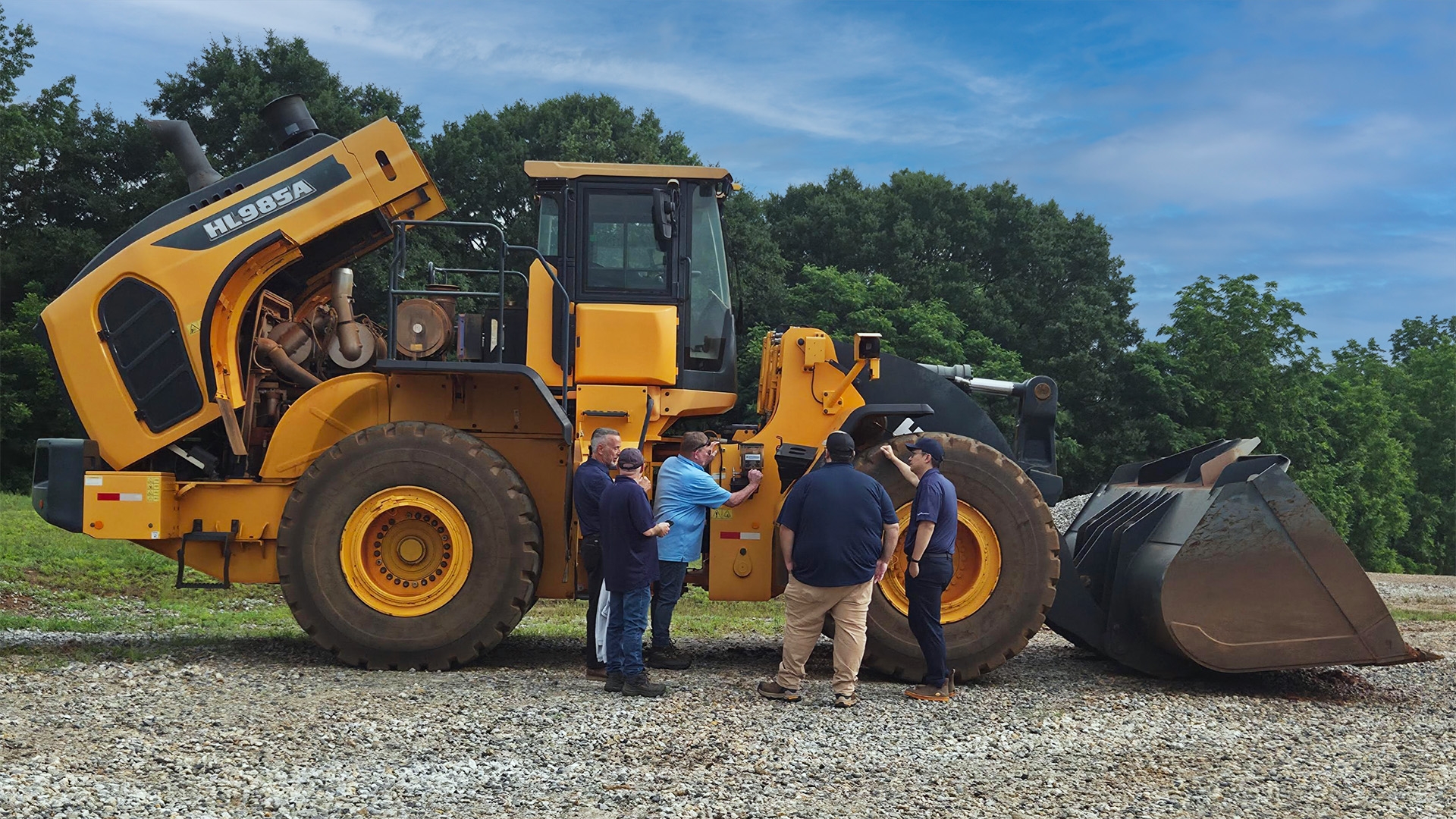
1) Use quality fuel. Contract with a company that delivers diesel filtered to the highest standards and that fuels directly from their tank to your wheel loader. Contaminated fuel is one of the main causes of early failure.
2) If your operator sees an error code on their meter panel, reach out to the dealership immediately to have it checked. This will prevent bigger problems down the road.
3) Use proper oil and filters. Every manufacturer has specific requirements; follow them. They can’t make you buy their oil and filters, but to keep your machine under warranty, you do need to buy oil and filters of the same quality the manufacturer requires.
4) If your oil gets overheated, change it. Don’t run that oil.
5) The service intervals recommended in the operator’s manual are the minimum to keep your machine in warranty. If you are using an extra-large bucket, working in very rough terrain, running long or continuous shifts, or otherwise working your machine extra hard, you may want to tighten those intervals. Your dealership can check oil samples regularly to help determine your oil change intervals.
6) Follow manufacturer-recommended machine specs for daily maintenance checks, tire inflation, etc. Customers who follow manufacturer recommendations get longer life and greater productivity from their wheel loaders and other equipment. If you want to modify the machine, for instance, by using different tires, consult your dealership to ensure the change won’t cause other issues or void your warranty.
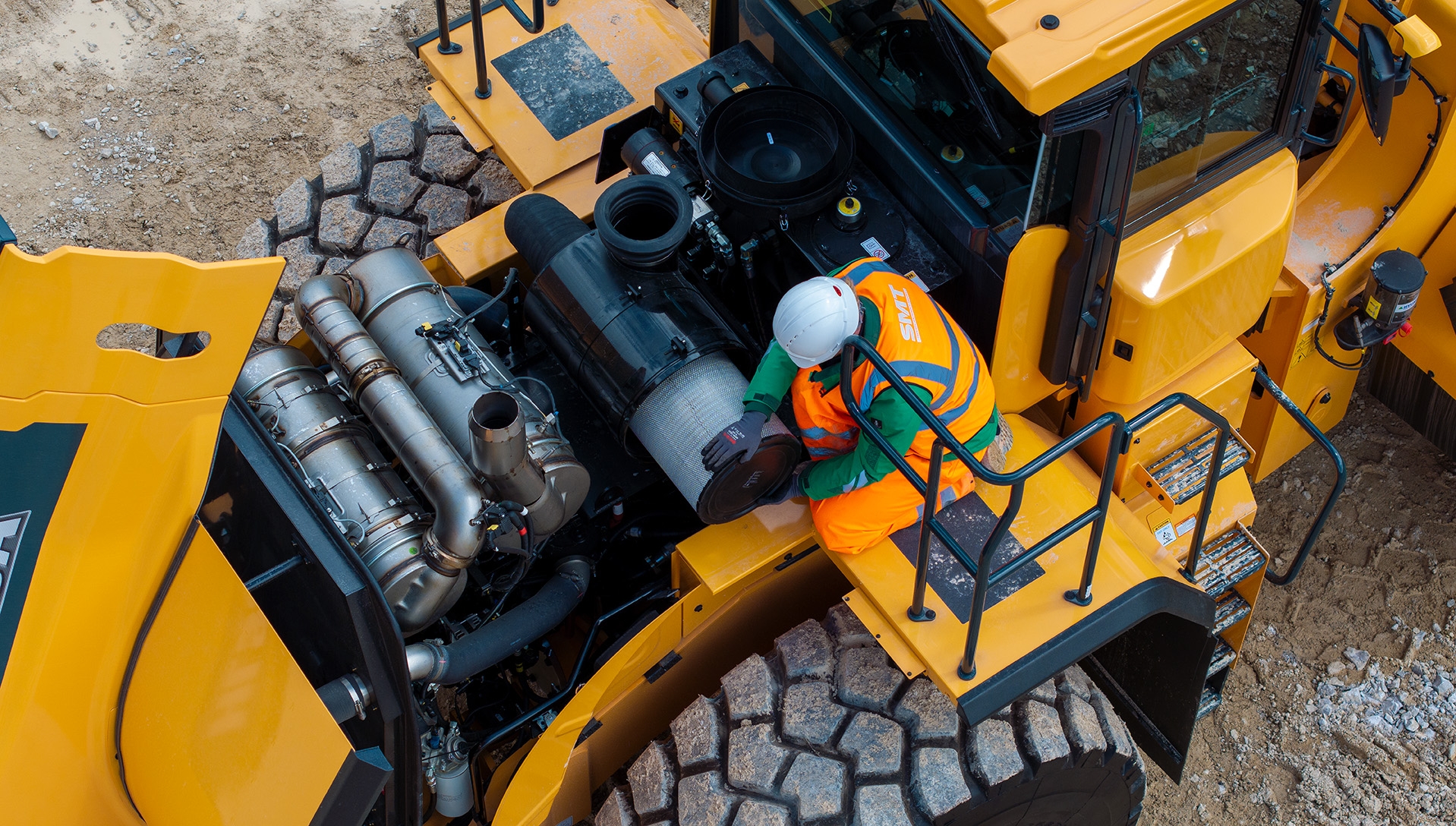
We encourage our dealer service technicians to get to know their customers’ capabilities so they can integrate with them. That road runs both ways: Even if you can handle a lot of maintenance in house, use your dealership for transmission calibration, reading and addressing diagnostic codes, brake inspection and adjustments, and almost anything to do with emissions. In general, if the machine is under warranty, let your dealer service it, so service actions are documented and your warranty remains intact.