
Hyundai’s FEH Excavators: Train Faster. Work Smarter. Produce More.
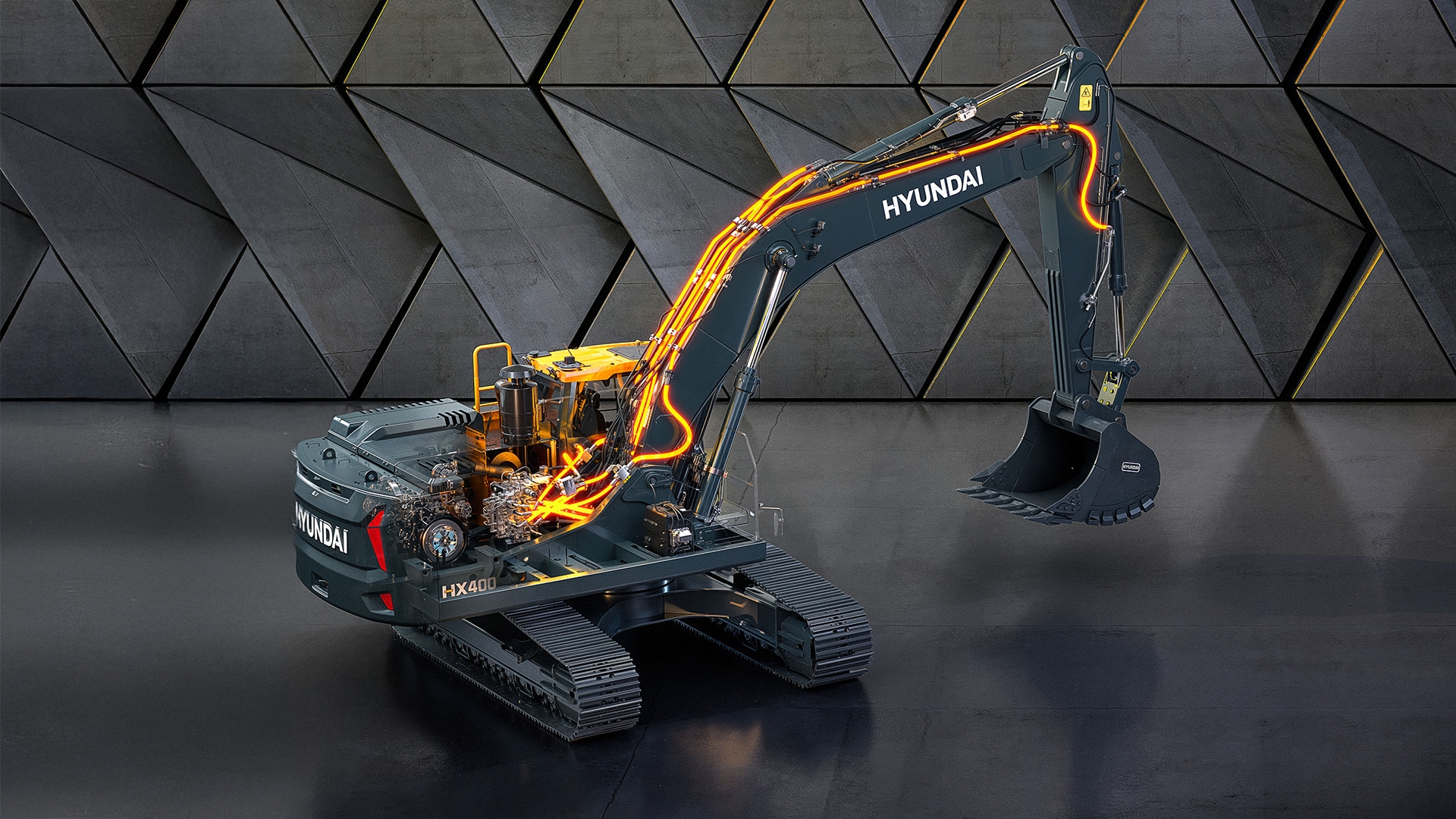
Skilled operators are harder to find—and more expensive to keep. That puts pressure on every jobsite to do more with less experience. Hyundai’s Fully Electronic Hydraulic (FEH) system changes that equation. By replacing traditional hydraulic complexity with precise electronic control, FEH makes excavators easier to operate, faster to learn, and more consistent from operator to operator.
Traditional hydraulic systems rely heavily on the operator's feel developed over the years in the seat. Small mistakes lead to jerky movements, wasted fuel, and slower cycle times. FEH removes that variability. Inputs are translated electronically, delivering a smooth, predictable response every time—regardless of operator experience.
WHAT IS FEH?
FEH (Fully Electronic Hydraulics) replaces conventional pilot hydraulic controls with electronic input signals. It works like a video game controller. Instead of relying on complex hydraulic feel, the machine responds electronically to joystick inputs—delivering smooth, precise movement every time.
WHAT FEH CHANGES
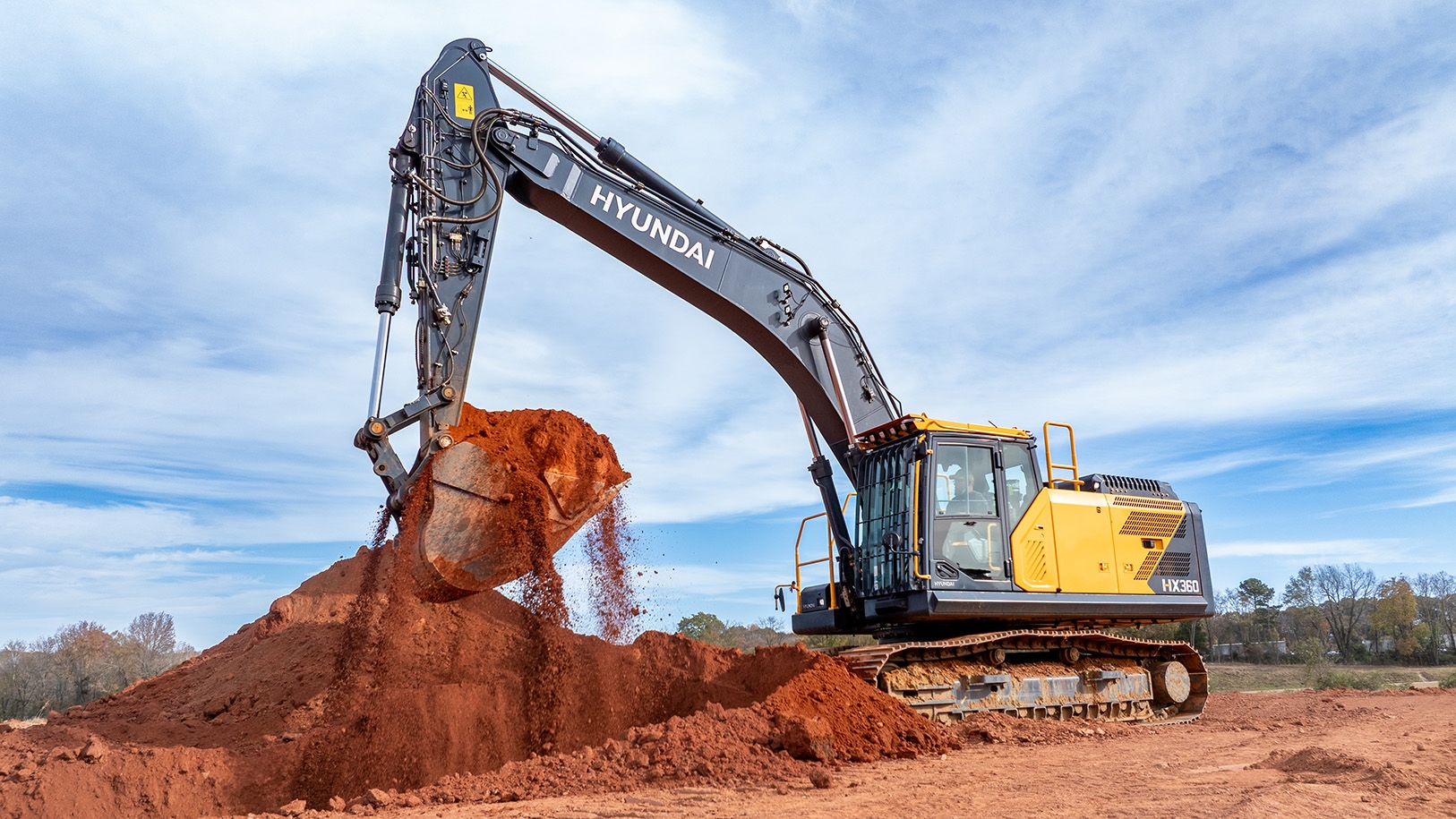
Traditional excavators depend heavily on operator skill developed over years of experience. Small variations in input can lead to overcorrection, wasted motion, and reduced efficiency. With FEH, those inconsistencies are minimized. The system delivers predictable, repeatable responses with every movement—helping operators maintain control without fighting the machine. This reduces the learning curve for new operators while allowing experienced operators to work faster and more precisely.
FASTER LEARNING CURVE
Labor shortages continue to challenge construction and material handling operations. FEH helps bridge that gap by enabling new operators to become productive more quickly. Instead of spending years developing fine control through trial and error, operators can achieve smooth, accurate movements much earlier. That means less downtime for training and more time contributing on the job.
For crews with mixed experience levels, FEH creates more uniform performance—reducing reliance on a small number of highly skilled operators. New operators can become productive faster, while experienced operators can work more precisely with less effort.
IMPROVED EFFICIENCY AND CONTROL
Because FEH delivers smoother and more precise movements, operators can complete tasks with fewer corrections and less wasted motion.
That leads to:
- More consistent cycle times
- Reduced fuel consumption from unnecessary movements
- Less operator fatigue over long shifts
Over time, those gains add up to measurable improvements in overall jobsite efficiency.
IMMEDIATE IMPACT: SMOOTHER, MORE PREDICTABLE OPERATION
With FEH, what operators notice first is how predictable everything feels. Movements don’t spike or lag the way they can on older machines. You’re not constantly correcting yourself mid-motion, and running multiple functions at once feels a lot less chaotic. For an experienced operator, this means less fatigue and more efficiency. For a newer operator, it means they can perform at a higher level, faster.
WHY EXPERIENCE MATTERS LESS
FEH removes several skill barriers that used to take years to master. A newer operator can get closer to finish-grade quality without fighting the controls all day. And someone experienced can move faster without dialing everything back just to stay smooth.
PRODUCTIVITY GAINS
Hyundai is putting numbers behind it—fuel burn drops, cycle times improve—but what stands out more is how consistent those results are across different operators. Up to a 9% improvement in fuel efficiency and up to 22% in productivity gains have been reported. More importantly, these gains come from more operators being able to access machine capability.
THE BOTTOM LINE
FEH isn’t just a feature—it’s a smarter way to run an excavator. It helps crews train faster, work more efficiently, and get consistent results across every operator. In today’s labor market, that’s a real advantage.